Qualified tradespeople such as welders, fitters, steel-structure assemblers and CNC machine operators are among the most sought-after occupations in European industry. Armenia has a tradition of industrial and technical education, and looking for welding work in Europe is often realistic for an Armenian welder if the skill can be demonstrated.
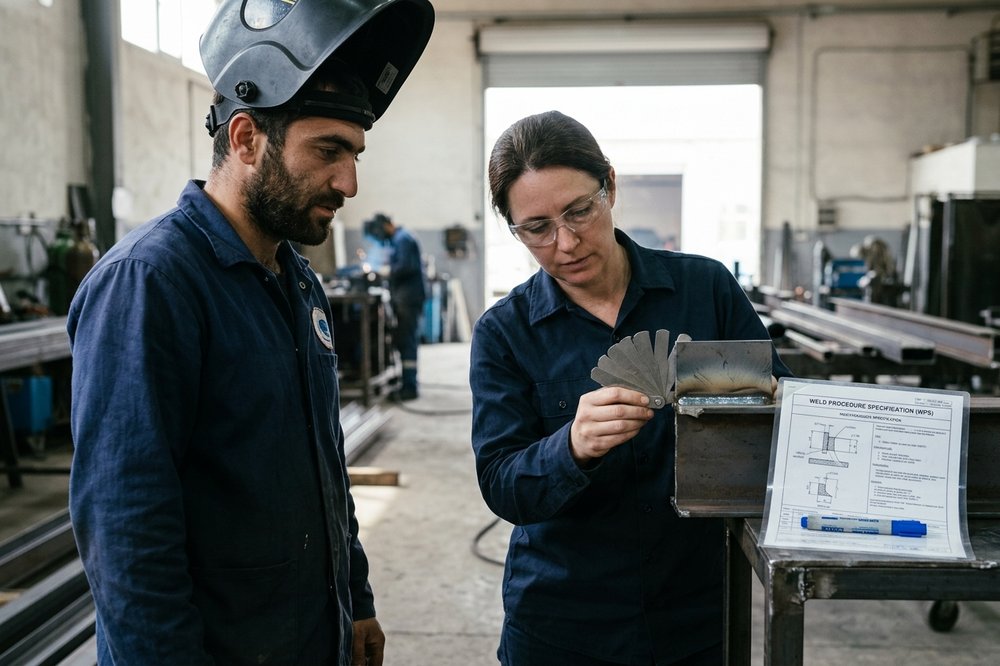
In this sector the main selection criterion is not a diploma but a practical test. Employers and agencies usually ask for a welding sample, a video, or arrange a test in Armenia or after arrival. A welder certificate to European standards (for example ISO 9606-1 for the relevant process) is a strong advantage but not always mandatory; some employers arrange the qualification themselves.
Pay in this sector is usually higher than for unskilled work and often depends on the welding process, position and material. Every vacancy states its own terms.
Typical roles
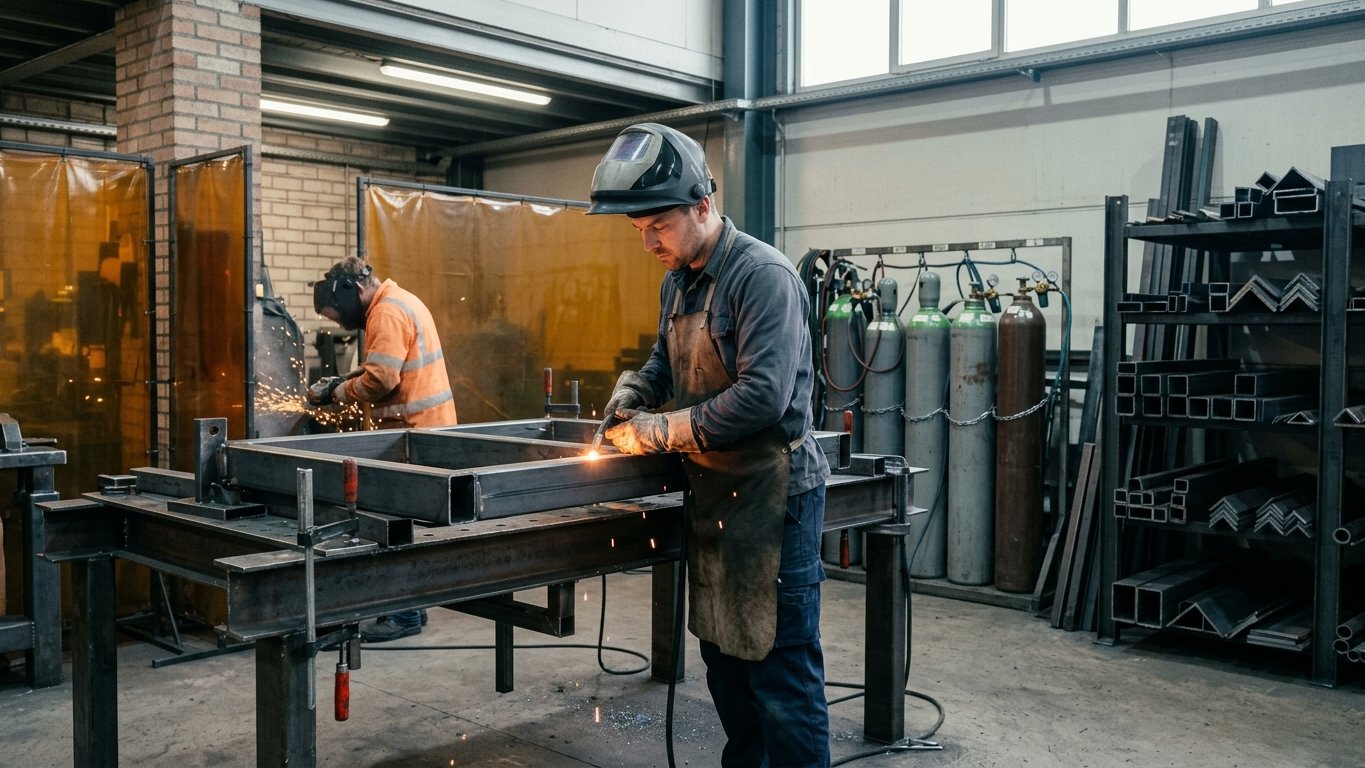
- MIG/MAG welder (135/136)
- TIG welder (141)
- Stick / MMA welder (111)
- Fitter
- Steel-structure assembler
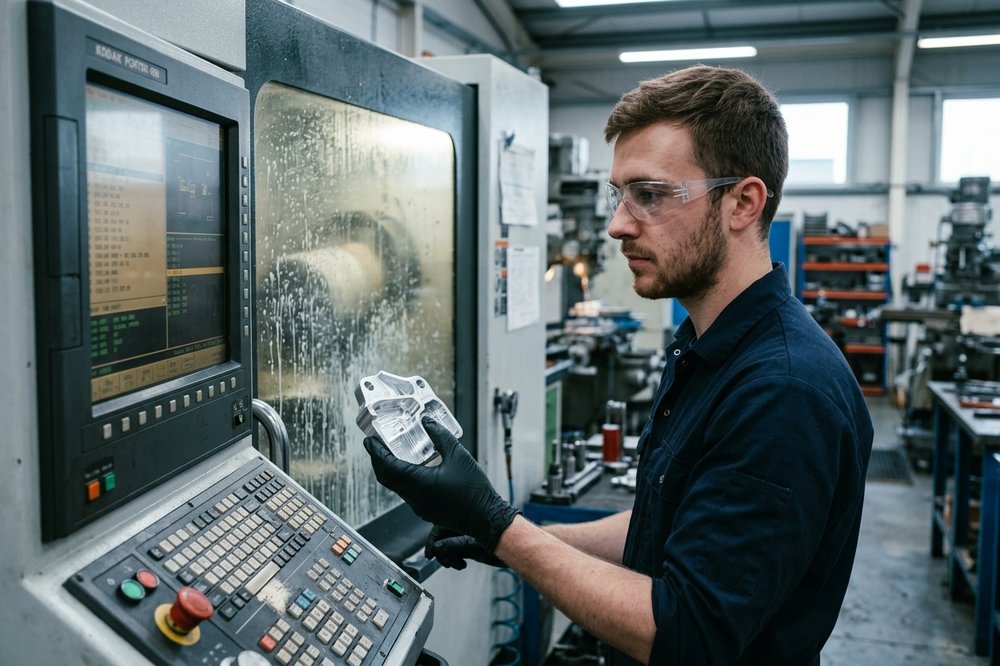
- CNC machine operator
- Industrial electrician
- Pipe fitter
Common requirements
- Verifiable experience and willingness to take a practical test
- Ability to read drawings and welding symbols
- A welder certificate if the employer requires one; the specific vacancy names the standard
- Electricians: local authorisations that often require an exam after arrival
- Compliance with safety requirements and use of protective equipment
What changes from one vacancy to the next
These points are never universal. The specific vacancy must disclose them, and we do not publish a vacancy until they are confirmed in writing.
- The welding process, positions and materials tested
- Who pays for certification or retraining
- Hourly rate and overtime supplement
- Work in a workshop or on mobile sites (shipyards, structural installation)
- Whether tools and protective equipment are provided
- Accommodation and transport
Verified vacancies in this category
No verified vacancies in this category right now. Get an alert when one is published.
Questions candidates ask about this category
Do I need a European welder certificate?
Not always, but it improves your chances and often your pay. Many employers accept experienced welders without a certificate and arrange qualification after arrival, sometimes at their own cost. Others require a valid certificate to a specific standard before the interview. Each vacancy states this requirement clearly.
How are welding skills checked?
Usually with a practical test: you weld a sample in a specified process and position and the employer's specialist evaluates it. Sometimes a video or photos of your work are enough at the first stage. We tell you the test format in advance so you can prepare.